
self-pity

The Active Side of Infinity – Saying Thank You

In this chapter, don Juan assigns Castaneda a final task before he can be “swallowed by infinity”: to atone for his personal indebtedness, he must find two women from his past, Patricia Turner and Sandra Flanagan, and give each a gift that will leave him penniless. Castaneda recounts his chaotic and emotionally devastating three-way relationship with them, which ended with all three fleeing from each other. After hiring a private investigator, he finds them both in New York. He meets with each woman, and in emotional reunions, he fulfills his task by buying Patricia a mink coat and Sandra a station wagon. However, instead of feeling liberated, he is overwhelmed by a renewed sense of loss and self-pity. When he reports this to don Juan, he is told to vanquish his self-pity. Castaneda then has a final realization: the true purpose of the task was not for his personal feelings, but to perform an act of magic in the spirit of a warrior-traveler—saying thank you and good-bye by storing the memory of what he loved in his silence.

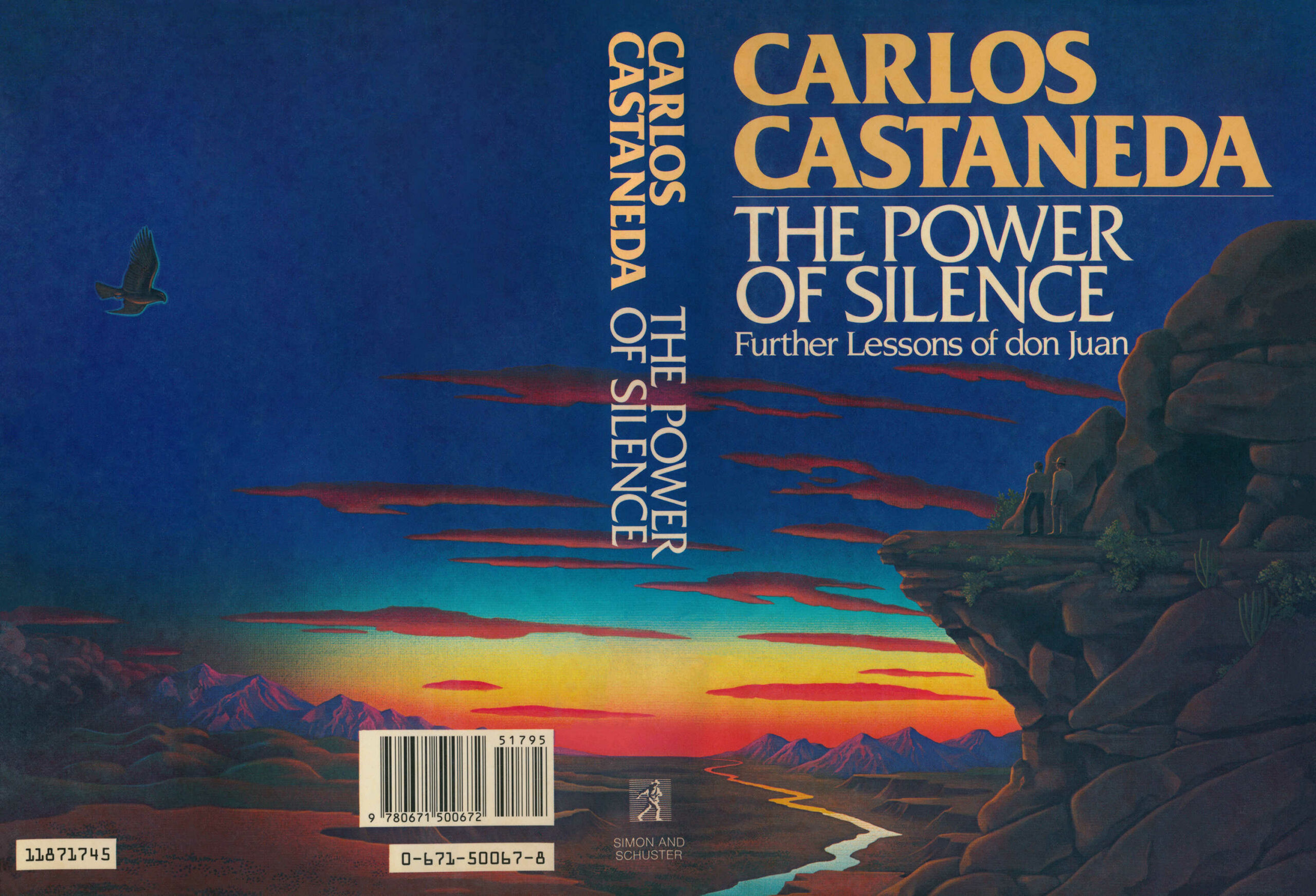
The Active Side of Infinity – Saying Thank You Read More »

Part One: Stopping the World – The Mood of a Warrior

In this segment, Don Juan leads Castaneda to a sacred “place of power” where warriors would “bury themselves” for enlightenment, attempting a similar experience with Castaneda who struggles with self-pity. Don Juan emphasizes that a true warrior cultivates a specific “mood” characterized by a balance of control and abandon, devoid of self-pity, as this is essential for acquiring power. Further instruction is given on advanced “dreaming” techniques. A dramatic encounter with a mountain lion then serves as a practical demonstration of the warrior’s mood, illustrating how Castaneda’s actions, driven by a primal need to survive, exemplified the desired state of control and abandon, regardless of the perceived reality of the animal.

Part One: Stopping the World – The Mood of a Warrior Read More »

The Descent of the Spirit – The Place of No Pity

In this chapter, Don Juan orchestrates a dramatic scenario to teach Castaneda about ruthlessness and the “place of no pity.” By feigning a debilitating stroke, Don Juan forces the narrator into extreme discomfort and self-pity, pushing his assemblage point—a key concept in Castaneda’s work representing the focal point of perception—away from its usual position of self-reflection. This intense experience reveals to the narrator a dualism within himself: an old, indifferent part and a new, anxious part. Don Juan explains that this shift allows access to silent knowledge and frees one from self-importance, which is revealed as disguised self-pity. The lesson culminates in Don Juan’s swift recovery, exposing the entire event as a deliberate act to initiate the narrator into a deeper understanding of sorcery and a state of being characterized by detachment and sobriety.

The Descent of the Spirit – The Place of No Pity Read More »